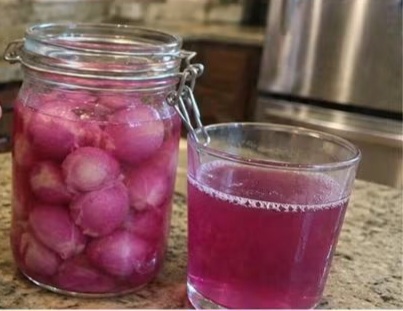
The kidneys are among the most important organs in the human body. They continuously filter the blood, remove waste products, help control fluid levels, and maintain the balance of important minerals. Because of this, the foods we eat can play an important role in supporting overall kidney health.You may have seen dramatic claims online about special food combinations, pickled vegetables, juices, or homemade recipes that supposedly repair damaged kidneys or lower creatinine within minutes. These claims can be attractive, but kidney health is more complicated than a single recipe.There is no food or drink proven to completely cure chronic kidney disease or instantly return an elevated creatinine level to normal. However, a well-planned diet can support the body and may help people with kidney disease manage important factors such as blood pressure, blood sugar, sodium, potassium, phosphorus, and fluid balance.What Does Creatinine Tell You?Creatinine is a waste product produced by normal muscle activity and protein breakdown. Healthy kidneys remove creatinine from the bloodstream. When kidney filtration becomes impaired, blood creatinine can rise.Doctors commonly use creatinine together with other information to estimate kidney function, including the estimated glomerular filtration rate (eGFR). A single creatinine result should therefore not be interpreted as proof that a particular food has damaged or repaired the kidneys.Creatinine levels can also be influenced by factors other than chronic kidney disease, so people with abnormal results should discuss them with a healthcare professional.Can Food Cure Kidney Disease?Food can be an important part of kidney care, but it should not be presented as a replacement for medical treatment.Chronic kidney disease can have different causes and stages. Nutritional needs can also change as kidney function changes. For example, some people may need to pay particular attention to sodium, potassium, phosphorus, protein, or fluid intake, while another person may not need the same restrictions.This is why there is no universal “kidney cleansing recipe” that is appropriate for everyone.Foods That Can Be Part of a Kidney-Friendly Eating PatternA healthy eating pattern can include a variety of fresh, minimally processed foods. The exact choices and portions should depend on a person’s kidney function and laboratory results.1. Fresh VegetablesVegetables can provide vitamins, minerals, fiber, and other nutrients. However, people with kidney disease should not automatically assume that every vegetable is suitable in unlimited amounts.If potassium levels are high, a healthcare professional or renal dietitian may recommend limiting certain high-potassium foods or adjusting portion sizes.2. Fresh FruitsFresh fruit can be part of a balanced diet and is generally preferable to many highly processed sweet foods.However, people with chronic kidney disease may sometimes need to monitor potassium intake. The appropriate amount depends on individual blood tests and kidney function.3. Whole GrainsWhole grains can provide fiber and nutrients and may fit into a healthy diet for many people.But advanced kidney disease can require more individualized dietary planning. Instead of following a generic internet list, it is better to discuss appropriate portions with a healthcare professional.4. Healthy Sources of ProteinProtein is essential for maintaining muscles, tissues, and overall health. But the amount of protein needed can vary depending on kidney function and whether someone is receiving dialysis.Some people with chronic kidney disease may need to avoid excessive protein intake, while people receiving dialysis may have different protein requirements.5. Foods Lower in SodiumReducing excessive sodium is one of the most useful dietary habits for many people with kidney disease.Too much sodium can contribute to fluid retention and high blood pressure, which can place additional stress on the cardiovascular system and kidneys. Processed meats, packaged meals, salty snacks, sauces, and many restaurant foods can contain large amounts of sodium.Cooking more meals at home and using herbs, spices, lemon, or other sodium-free seasonings instead of large amounts of salt can be helpful.What About Pickled Foods and Homemade Drinks?The colorful jar and drink shown in many viral kidney-health posts may look healthy, but appearance does not tell us whether a recipe is appropriate for someone with kidney disease.Pickled foods can contain significant amounts of sodium depending on how they are prepared. For someone who needs to restrict sodium, consuming large amounts of salty pickled foods may be counterproductive.Homemade juices and drinks also require caution. Depending on the ingredients, they may contain substantial amounts of potassium, sugar, or fluid.For people with kidney disease, even “natural” foods can require portion control.Why You Shouldn’t Try to Lower Creatinine in 15 MinutesOne of the most misleading ideas surrounding viral kidney recipes is the promise of dramatically lowering creatinine almost immediately.Creatinine is used as part of kidney-function assessment, and changes in the number need to be interpreted medically. A food recipe cannot be expected to repair damaged kidney tissue or reverse chronic kidney disease within minutes.If your creatinine is elevated, the important step is to find out why.A healthcare professional may consider your creatinine, eGFR, urine tests, blood pressure, medical history, medications, and other factors when evaluating kidney health.A Simple Healthy Recipe for Kidney-Conscious EatingInstead of promising a miracle treatment, try a simple homemade meal built around fresh ingredients.Simple vegetable bowlIngredients:- Fresh vegetables appropriate for your individual kidney diet- A small portion of a suitable protein source- A small portion of a whole grain or other appropriate carbohydrate- Fresh herbs- Lemon juice- A small amount of olive oil- Little or no added saltWash and prepare the vegetables, cook the protein thoroughly, and combine everything in a bowl. Use herbs and lemon for flavor instead of relying heavily on salt.Important: If you have diagnosed kidney disease, ask your doctor or renal dietitian which vegetables, fruits, protein portions, potassium, phosphorus, and fluids are appropriate for you.The Best Way to Protect Your KidneysHealthy eating is only one part of kidney care.Managing conditions such as high blood pressure and diabetes, maintaining a healthy weight, staying physically active when appropriate, avoiding smoking, and taking prescribed medications correctly can all be important for protecting kidney function.People with chronic kidney disease can also benefit from individualized nutrition advice. The National Institute of Diabetes and Digestive and Kidney Diseases recommends working with a healthcare professional or registered dietitian to develop an eating plan suited to the person’s kidney function and nutritional needs.Final ThoughtsThere is no magic eight-food recipe that can completely cure kidney disease or lower creatinine within 15 minutes. Viral recipes may contain nutritious ingredients, but that does not make them a treatment for kidney disease.The better approach is to focus on a balanced eating pattern, moderate sodium intake, appropriate protein, and the correct amounts of potassium, phosphorus, and fluids for your individual condition.If you have an elevated creatinine result or have been diagnosed with kidney disease, don’t stop prescribed treatment in favor of an internet recipe. Use food as part of a broader kidney-health plan and discuss your diet and laboratory results with a qualified healthcare professional.