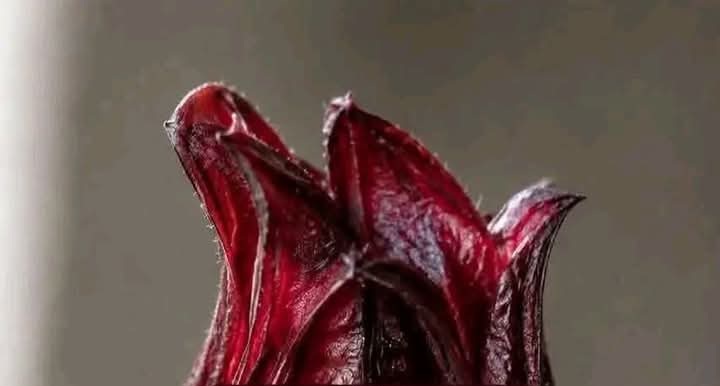
Hibiscus tea is a colorful herbal drink made from the dried calyces of the hibiscus plant, particularly Hibiscus sabdariffa. It has a deep red color, a pleasantly tart flavor, and is enjoyed both hot and cold in many parts of the world.In recent years, hibiscus tea has become popular online as a natural wellness drink. Social-media posts often claim that drinking hibiscus tea for a certain number of days can “clean the kidneys,” lower blood pressure and cholesterol, remove excess fluid, and rapidly burn body fat.Some of these claims are based on scientific research into hibiscus, particularly its possible effects on blood pressure. However, other claims are exaggerated or not well established. Hibiscus tea can be a healthy beverage, but it should not be considered a replacement for medical treatment.What Is Hibiscus Tea?Hibiscus tea is usually prepared from the dried calyces of Hibiscus sabdariffa, sometimes called roselle.The dried plant material produces a bright red or burgundy-colored infusion with a naturally sour, fruity flavor. It can be enjoyed without sugar or combined with lemon, mint, ginger, or a small amount of honey.Unlike traditional tea made from Camellia sinensis, hibiscus tea is naturally caffeine-free unless it is blended with another caffeinated ingredient.What Nutrients and Compounds Does Hibiscus Contain?Hibiscus contains naturally occurring plant compounds, including anthocyanins, flavonoids, organic acids, and other polyphenols.These compounds have antioxidant properties and are one reason hibiscus has attracted scientific interest.Antioxidants help protect cells from oxidative stress. Many colorful fruits and vegetables contain similar plant compounds, which is why consuming a variety of plant foods is generally encouraged.However, the presence of antioxidants does not mean that hibiscus tea can cure a disease or “remove toxins” from the body.Hibiscus Tea and Blood PressureOne of the most studied potential benefits of hibiscus tea is its relationship with blood pressure.Some clinical studies have found that consuming hibiscus preparations may modestly reduce blood pressure in certain adults, particularly people with elevated blood pressure.The effect appears to be related to several compounds found in hibiscus, although researchers are still studying the exact mechanisms.Importantly, hibiscus tea should not automatically replace prescribed blood-pressure medication.People taking medication for hypertension should be careful because combining hibiscus with blood-pressure-lowering drugs could potentially contribute to blood pressure becoming too low.If you have high blood pressure, monitoring and professional medical advice remain important.Does Hibiscus Clean the Kidneys?The phrase “cleans the kidneys” is common in advertisements for herbal teas, but it is misleading.Your kidneys already continuously filter the blood and remove waste products and excess substances through urine.There is no established need for a particular tea to “clean” healthy kidneys.Hibiscus tea can contribute to daily fluid intake, but this is different from detoxifying or cleansing the kidneys.People with kidney disease should be especially careful with herbal products because kidney conditions can affect how the body handles fluids, minerals, and medications.Hibiscus and CholesterolAnother common claim is that hibiscus tea can lower cholesterol.Some research, including laboratory and human studies, has investigated hibiscus and blood lipid levels. Results have been mixed, and the evidence is not strong enough to treat hibiscus tea as a replacement for established cholesterol management.Cholesterol levels are influenced by overall diet, genetics, physical activity, body weight, and other health factors.If blood tests show high cholesterol, it is better to discuss the results with a healthcare professional and follow an appropriate treatment plan.Hibiscus tea can still be enjoyed as part of a healthy eating pattern, particularly when it is consumed without excessive added sugar.Can Hibiscus Tea Help With Weight Loss?Hibiscus tea is sometimes marketed as a natural fat-burning drink.There is no strong evidence that drinking hibiscus tea alone causes significant fat loss.However, unsweetened hibiscus tea is naturally low in calories. Replacing sugary soft drinks or heavily sweetened beverages with an unsweetened herbal tea can reduce overall calorie intake.That can support a healthy diet, but it is very different from saying that hibiscus directly “burns fat.”Long-term weight management depends on overall energy intake, food quality, physical activity, sleep, and other lifestyle factors.Does Hibiscus Remove Excess Fluid?Hibiscus may have mild effects on urine production, which is one reason it is sometimes described as a natural diuretic.However, intentionally trying to remove large amounts of fluid is not necessarily beneficial.Excessive fluid loss can contribute to dehydration and electrolyte problems, particularly in vulnerable people.If you have unexplained swelling in your legs, feet, or hands, it is important to identify the underlying cause rather than simply trying to eliminate the fluid with herbal tea.Swelling can sometimes be associated with heart, kidney, liver, circulatory, or other medical conditions.Antioxidant PropertiesHibiscus is rich in colorful plant compounds, especially anthocyanins.These compounds give many hibiscus preparations their characteristic red color.Antioxidant-rich foods can be part of a healthy diet, but it is better to think of antioxidants as one part of overall nutrition rather than as a treatment for disease.Eating a variety of colorful fruits and vegetables provides many different beneficial compounds.How to Make Hibiscus TeaHibiscus tea is simple to prepare at home.Ingredients1–2 teaspoons of dried hibiscus calyces1 cup of hot waterLemon or lime, optionalA small amount of honey, optionalPreparationPlace the dried hibiscus in a cup or teapot.Pour hot water over the plant material and allow it to steep for approximately 5–10 minutes, depending on how strong you prefer the flavor.Strain the tea and serve warm.For iced hibiscus tea, allow it to cool and pour it over ice.Because hibiscus naturally has a tart flavor, many people enjoy it without sugar. If sweetness is desired, use only a small amount.How Often Can You Drink It?There is no universal requirement to drink hibiscus tea for exactly 10 days.Research studies have used different preparations, amounts, and durations, so a social-media recommendation such as “drink this for 10 days and your body will be cleansed” should not be treated as a medical prescription.For most healthy adults, an ordinary cup of unsweetened hibiscus tea can be enjoyed as part of a varied diet.People with medical conditions or those taking medications should consider their individual circumstances.Who Should Be Careful With Hibiscus Tea?Although hibiscus tea is generally well tolerated as a beverage, certain people should use caution.If you take medication for high blood pressure, hibiscus may potentially add to the blood-pressure-lowering effect.People taking certain other medications should also ask a healthcare professional before regularly consuming concentrated herbal preparations.Pregnant or breastfeeding individuals should consult a healthcare professional before using hibiscus medicinally because safety information can vary depending on the preparation and amount.Anyone who develops an unusual reaction after drinking hibiscus tea should stop consuming it and seek appropriate medical advice.Hibiscus Tea vs. Sugary DrinksOne of the simplest ways hibiscus tea can fit into a healthy lifestyle is by replacing high-sugar beverages.A glass of unsweetened hibiscus tea contains very few calories. By comparison, many soft drinks and sweetened beverages can contain substantial amounts of added sugar.Switching from sugary drinks to unsweetened herbal tea can therefore be a practical dietary change.The benefit comes primarily from reducing added sugar and excess calories—not from a special detox effect.Final ThoughtsHibiscus tea is a refreshing, naturally caffeine-free beverage containing a variety of plant compounds, including anthocyanins and other antioxidants.Research suggests that hibiscus may have a modest blood-pressure-lowering effect in some people, while evidence for effects on cholesterol, blood sugar, weight management, and other health outcomes is less certain.The idea that drinking hibiscus tea for 10 days will “clean the kidneys,” remove all excess fluid, or automatically activate fat loss is not supported as a general medical claim.The healthiest way to enjoy hibiscus tea is as part of a balanced lifestyle. Drink it unsweetened or lightly sweetened, stay properly hydrated, eat a varied diet, and do not use it to replace prescribed treatment.Hibiscus is an interesting traditional plant with promising areas of research—but like any herbal product, its benefits should be understood realistically rather than presented as a miracle cure.