Introduction
As skin ages, it naturally loses some collagen, elastin, and moisture. This can lead to dryness, fine lines, and a less firm appearance, especially on the hands and face where skin is frequently exposed to sun and washing. While no cream can permanently erase wrinkles or bring back youth, consistent gentle care can improve hydration, support the skin barrier, and make skin look smoother and more plump.
Aloe vera gel is one of the most widely used natural ingredients for this purpose. It is light, cooling, and rich in water and polysaccharides that help skin hold moisture. When combined with a few other simple ingredients, it makes a refreshing gel that many people enjoy as part of their daily routine. This article explains how aloe vera works, how to make a safe homemade gel, and how to use it to support firmer looking skin.
This is educational information only and is not medical advice. If you have a skin condition, allergies, or persistent irritation, talk to a dermatologist.
Why Aloe Vera Is Popular for Skin
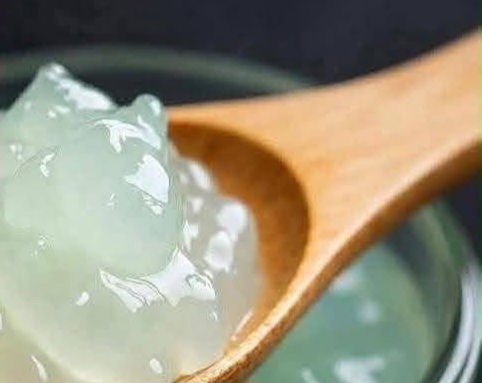
Aloe vera leaf contains a clear gel made of about 98 to 99 percent water, plus polysaccharides, vitamins, minerals, and antioxidant compounds. When applied topically, it:
Helps hydration: The gel forms a light layer that helps reduce water loss from the skin surface, known as transepidermal water loss.
Soothes: It has a cooling effect that many people find calming after sun exposure or dryness.
Supports barrier: By improving moisture content, it helps skin feel more elastic and supple.
Lightweight texture: Unlike heavy oils, it absorbs quickly and does not clog pores for most people.
It does not tighten skin like a surgical procedure, and it does not remove deep wrinkles. Its benefit is improved hydration and appearance, which can make fine lines look less noticeable.
Simple Home Recipe: Hydrating Aloe Gel
This recipe makes a small fresh batch for personal use. Always use clean tools and store it in the refrigerator.
Ingredients for about 100 ml:
1/2 cup pure aloe vera gel, either scooped fresh from an aloe leaf or store bought 99 percent pure aloe with no added color or fragrance
1 teaspoon vegetable glycerin, optional for extra moisture retention
1 teaspoon cold pressed jojoba oil or sweet almond oil, optional for dry skin
2 to 3 drops vitamin E oil from a capsule, optional as an antioxidant
2 tablespoons rose water or distilled water to adjust texture
Do not use raw aloe latex, which is the yellowish layer just under the leaf skin. It can be irritating. If harvesting fresh, rinse the gel well.
Method:
Step 1: Prepare aloe. If using fresh leaf, wash it, slice it open, scoop the clear inner gel with a clean spoon, and rinse it briefly in distilled water.
Step 2: Blend lightly. Blend the gel for 10 to 15 seconds in a clean blender until smooth. Do not overheat it.
Step 3: Add hydration helpers. Stir in glycerin and rose water or distilled water until you get a light, spreadable gel. If your skin is very dry, add the small amount of jojoba or almond oil and mix well.
Step 4: Store safely. Transfer to a clean glass jar with a lid. Keep refrigerated. Because it contains no preservative, use within 5 to 7 days. Discard if it changes color, smells off, or you see mold.
For a longer lasting version, many people prefer to buy a commercial pure aloe gel that uses a tested preservative system.
How to Use It
Patch test first: Apply a small amount behind the ear or on inner wrist and wait 24 hours to check for irritation.
Clean skin: Wash face or hands with a gentle cleanser and pat dry.
Apply a pea sized amount: For face, a small amount is enough. Smooth it over skin and let it absorb for 1 to 2 minutes.
Seal moisture: If your skin is dry, follow with a simple fragrance free moisturizer to lock in hydration.
Use sunscreen daily: Sun protection is the most effective way to prevent premature wrinkles and loss of firmness. Use broad spectrum SPF 30 or higher on face and hands.
Use once or twice daily. Morning and evening use works well for most skin types.
Tips to Help Skin Look Firmer and Smoother
No single gel works alone. These habits make the biggest difference:
Hydrate inside and out: Drink enough water and avoid overwashing hands with very hot water and harsh soaps.
Protect from sun: UV exposure breaks down collagen. Hats, sunglasses, and sunscreen on hands and face matter more than any wrinkle cream.
Gentle cleansing: Use mild, fragrance free cleansers. Avoid scrubbing hard.
Balanced eating: Diets rich in fruits, vegetables, whole grains, healthy fats, and adequate protein provide vitamins C and E, which support collagen synthesis.
Sleep and smoking: Good sleep and not smoking help skin repair.
Avoid heavy fragrance and alcohol heavy toners: They can dry and irritate aging skin.
Who Should Be Careful
Aloe is generally well tolerated, but consider:
Allergies: People allergic to plants in the lily family may be more sensitive.
Sensitive or broken skin: Do not apply to open cuts, infected areas, or severe eczema flares without medical advice.
Eye area: Keep gel away from direct eye contact.
Pregnancy and children: Topical aloe in small amounts as a cosmetic is generally considered low risk, but check with your clinician if you have concerns.
If you notice burning, redness, itching, or rash, stop use and wash the area with water.
When to See a Dermatologist
Seek professional advice if you have sudden changes in skin texture, persistent redness, itching, swelling, wounds that do not heal, or if you want to discuss evidence based options for fine lines, such as retinoids, moisturizers with proven ingredients, or procedures. A dermatologist can tailor advice to your skin type.
Conclusion
Aloe vera gel will not make wrinkles disappear or make youth return overnight, despite what dramatic images suggest. What it can do is provide lightweight, cooling hydration that helps skin feel softer, look plumper, and maintain its natural barrier. Combined with sun protection, gentle cleansing, good nutrition, and consistent moisturizing, it is a simple and affordable part of a routine that supports healthier looking skin over time.
Make a small fresh batch, keep it refrigerated, patch test, and use it consistently as part of a balanced skincare habit.