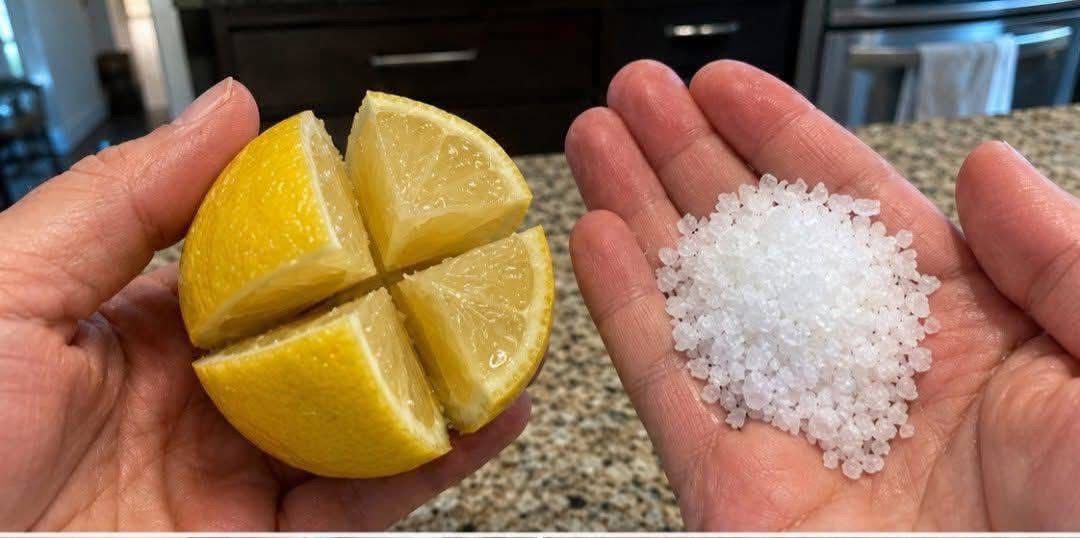
Lemon and salt are two ingredients found in almost every kitchen. Together, they are often used in cooking, drinks, food preservation, and traditional household practices. A popular online idea involves cutting a lemon into pieces, adding a small amount of salt, and leaving it in a room.This simple combination has attracted attention because of claims that it can “clean the air,” remove unpleasant odors, reduce germs, or provide other household benefits. Some of these uses are based on the natural properties of lemon and salt, while others are exaggerated online.In this article, we will look at what lemon and salt can realistically do and how you can use them safely around your home.Why Are Lemons So Popular?Lemons are rich in citric acid and contain aromatic compounds that give them their characteristic fresh citrus smell.The juice is acidic and is commonly used in cooking, beverages, marinades, and household cleaning. Lemon peel also contains fragrant compounds, including limonene, which is responsible for much of the familiar citrus aroma.Because of this strong scent, lemon is often used to make rooms, kitchens, refrigerators, and other areas smell fresher.However, making a room smell fresher is not the same thing as purifying or disinfecting the air.What Does Salt Add?Salt is primarily sodium chloride. It has been used for centuries as a food preservative because sufficiently high concentrations of salt can make conditions less favorable for many microorganisms.Salt can also absorb some moisture from its surroundings, although the amount depends on environmental conditions and the quantity of salt present.When salt is placed on or around a cut lemon, it can draw moisture from the fruit and help release some of its juices and aromas.This can create a strong-smelling mixture that some people use as a simple household deodorizing method.Lemon and Salt as a Natural DeodorizerOne reasonable household use for lemon is helping reduce unpleasant smells.The fresh citrus aroma can temporarily mask or replace some unwanted odors. This can be useful in areas such as kitchens, refrigerators, or near food preparation spaces.For example, a cut lemon can provide a pleasant scent after cooking foods with strong aromas.Adding a small amount of salt can help draw moisture from the cut surface and change the texture of the lemon, potentially helping release more juice.Nevertheless, this should be viewed primarily as a fragrance or deodorizing trick, not as a substitute for cleaning the source of an odor.If a room smells because of mold, spoiled food, sewage, smoke, or another persistent source, the underlying problem should be addressed directly.Does Lemon and Salt Purify the Air?This is where online claims often go too far.Putting lemon and salt in a room does not reliably remove all pollutants, viruses, bacteria, or harmful chemicals from indoor air.Good indoor-air quality depends on factors such as ventilation, humidity control, filtration, and removal of pollution sources.Opening windows when appropriate, maintaining ventilation systems, cleaning regularly, and using suitable air filtration can be much more effective ways of improving indoor air quality.A bowl containing lemon and salt may make the room smell pleasant, but a pleasant smell does not necessarily mean that the air has been disinfected.Can It Kill Bacteria?Both lemon juice and concentrated salt solutions can have antimicrobial properties under certain conditions.The acidity of lemon juice can make the environment less favorable for some microorganisms, while high concentrations of salt can inhibit the growth of certain microbes.However, simply placing lemon pieces and salt in a room does not create a reliable disinfectant.The concentration, contact time, temperature, and type of microorganism all matter.For surfaces that need proper disinfection, use an appropriate household disinfectant according to its label rather than relying on a lemon-and-salt mixture.A Simple Lemon-and-Salt Household MethodIf you want to try the combination simply for its fresh citrus aroma, you can prepare it easily.You will need:1 fresh lemonA small amount of saltA small plate or shallow bowlMethod:Cut the lemon into several sections while keeping the pieces together at the base if desired.Place the lemon on a clean plate.Add a small amount of salt to the cut surfaces.Place the plate in an area where you want a fresh citrus scent, such as the kitchen.Replace the lemon once it becomes dried, moldy, or unpleasant.This is a simple household use and does not require large amounts of salt.What About Leaving It in a Bedroom?Some people place lemon and salt beside their bed because they believe the mixture can improve sleep, remove negative energy, or clean the air during the night.There is not strong scientific evidence that a cut lemon and salt placed beside a bed produces these medical effects.The citrus aroma may be pleasant and relaxing for some people, but individual responses to smells vary.If you enjoy the scent, there is generally no need to make exaggerated health claims about it. It can simply be used as a natural fragrance.Lemon and Salt for CleaningLemon juice is sometimes used in household cleaning because its acidity can help with certain mineral deposits and residues.However, lemon juice is not appropriate for every surface.Acidic substances can damage or dull materials such as certain natural stones, including marble and limestone.Salt is mildly abrasive and can sometimes help with scrubbing, but abrasive materials can also scratch delicate surfaces.Always test a cleaning mixture on a small, inconspicuous area before using it widely.An Important Safety TipNever mix lemon juice with household bleach or other cleaning chemicals.Combining acidic substances with bleach can produce dangerous gases.Natural ingredients should not automatically be considered harmless when mixed with commercial cleaning products.If you are cleaning with lemon, use it by itself or with ingredients known to be compatible.Can You Drink Lemon and Salt Water?Lemon water is a common beverage, but adding a large amount of salt is unnecessary for most healthy people.Excess sodium intake is associated with increased blood pressure and can be a concern for people with certain medical conditions.If you want lemon water, plain water with lemon juice is generally a simpler choice.People who have been specifically advised to increase sodium or replace electrolytes should follow their healthcare professional’s advice rather than relying on an internet recipe.Does Lemon Burn Fat?Another popular claim is that lemon water or lemon-and-salt mixtures “burn fat.”Lemon itself does not magically melt body fat.Replacing sugary drinks with unsweetened lemon water can reduce calorie intake, which may support weight management. But the benefit comes from replacing a higher-calorie beverage, not from lemon directly destroying body fat.Long-term weight management depends on overall nutrition, physical activity, sleep, and energy balance.Final ThoughtsLemon and salt are simple ingredients with many practical household and culinary uses.A cut lemon can provide a pleasant citrus aroma, while salt can help draw moisture from the fruit and change how its juices and aromas are released. Together, they can be used as a simple natural deodorizing or fragrance method.However, placing lemon and salt in a room should not be described as a proven way to disinfect the air, eliminate viruses, cure health problems, or remove dangerous toxins.For cleaner indoor air, focus on ventilation, regular cleaning, moisture control, and appropriate filtration. For disinfection, use products designed and tested for that purpose.If you enjoy the fresh smell of lemon, this simple combination can still be a useful and inexpensive household trick—just keep its benefits realistic and avoid treating it as a medical or scientific “miracle” remedy.