Introduction
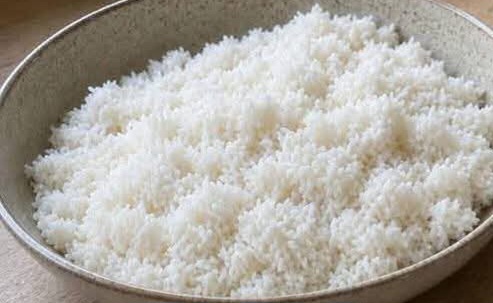
The photo shows a bowl of white rice, models of kidneys, and a urine sample container, with text claiming 9 kidney-friendly foods that lower creatinine in 3 days.
No food can lower creatinine in 3 days, and kidney health cannot be fixed quickly with a list of foods. Creatinine is a waste product filtered by the kidneys, and its level depends on kidney function, muscle mass, hydration, medications, diet, and overall health. If your creatinine is high, you need medical evaluation to find the cause.
That said, diet does matter for supporting kidney health over time. Many kidney-conscious meal plans focus on controlling sodium, protein portions, potassium, phosphorus, and fluids according to a person’s lab results and stage of kidney disease. There is no one list that fits everyone.
This article is educational only and is not medical advice. If you have kidney disease, high creatinine, swelling, changes in urination, or you are on dialysis, follow your doctor and renal dietitian’s personalized plan.
What Does Kidney-Friendly Mean?
Kidney-friendly does not mean kidney-curing. It usually means foods that are easier to fit into a plan that limits:
Sodium: to help control blood pressure and swelling
Protein: portion-controlled, because protein waste must be filtered
Potassium and phosphorus: limited only if labs are high, as advised by your clinician
Added sugars and unhealthy fats: for heart health, which is closely linked to kidney health
Your needs change with your labs. A food that is helpful for one person may need to be limited for another.
9 Foods Often Discussed in Kidney-Conscious Meal Planning
These are examples of foods that dietitians sometimes include, in appropriate portions, depending on labs. They do not lower creatinine on their own.
- White rice
Lower in potassium and phosphorus than brown rice, which is why it appears in the photo and is sometimes preferred when those minerals must be limited. Portion still matters for blood sugar. - Cabbage
Low in potassium per serving when eaten in modest portions, adds fiber and crunch to meals. - Cauliflower
Can be used as a lower-potassium vegetable side in small portions, mashed or roasted. - Blueberries
Lower in potassium than some other fruits, provide fiber and natural sweetness. - Red bell peppers
Low in potassium, add flavor and vitamin C without much sodium. - Apples
A portable fruit option that is lower in potassium than oranges or bananas. - Egg whites
Provide protein with less phosphorus than whole eggs or meat, sometimes used when protein must be controlled but high-quality protein is still needed. - Olive oil
A source of healthy unsaturated fat for cooking when butter and high-sodium sauces are reduced. - Garlic and herbs
Add flavor so you can use less salt. Fresh garlic, onion, lemon, and herbs can make low-sodium meals more enjoyable.
Again, none of these will lower creatinine in 3 days. They are simply foods that are often easier to fit into a kidney-conscious pattern.
Foods and Habits That Often Need Caution
Depending on your labs, your clinician may ask you to limit:
High-sodium processed foods, canned soups, fast food, salty snacks
Large portions of meat, as excess protein increases waste the kidneys must filter
High-potassium foods like oranges, bananas, potatoes, tomatoes if potassium is high
High-phosphorus foods like dairy, nuts, processed meats, colas if phosphorus is high
NSAID pain medicines, certain supplements, and herbal products, which can harm kidneys
Do not start a strict low-protein or low-potassium diet on your own. Too little protein or too little potassium can also be harmful.
Safe Daily Habits That Support Kidneys
Drink water according to your doctor’s guidance. More is not always better, especially with swelling or heart failure.
Control blood pressure and blood sugar as prescribed
Limit alcohol and avoid smoking
Maintain a healthy weight with balanced meals and regular walking as approved by your doctor
Have labs checked regularly and review medications and supplements with your clinician
Foamy urine, like the sample shown in the photo, can have many causes and needs medical evaluation. Do not try to interpret it at home.
When to Seek Care Promptly
Seek medical care if you have:
Swelling of face, hands, or feet
Very low urine output or no urine
Shortness of breath, chest pain
Persistent nausea, vomiting, confusion
Blood in urine
Conclusion
There is no 3-day food fix for high creatinine. Kidney health is supported over time with medical care, appropriate medications, and a personalized eating plan based on your labs.
The foods listed above are examples that are often included in kidney-conscious diets in proper portions, not cures. If you are concerned about your kidneys, talk to your doctor and ask for a referral to a renal dietitian for a plan made for you.