Introduction
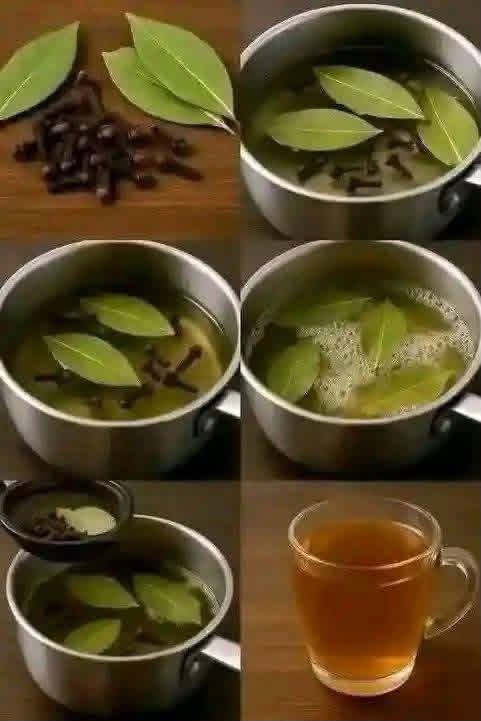
Bay leaves and cloves are two classic kitchen spices that are often used together for their warm, aromatic flavor. In many homes, they are simmered in water to make a simple herbal tea that is enjoyed after meals or in the evening. The process shown in your photo, adding a few bay leaves and whole cloves to a pot of water, bringing it to a gentle boil, then straining it into a cup, is exactly how this traditional drink is prepared.
While this tea is pleasant and can be part of a relaxing routine, it is not a cure for disease. Its value comes from hydration, aroma, and the small amount of plant compounds that add flavor without excess sugar or caffeine. This article explains what these spices offer, how to make the tea safely, and how to enjoy it as part of a balanced lifestyle.
This information is educational only and is not medical advice.
What Are Bay Leaves and Cloves
Bay leaves: The dried leaves of Laurus nobilis, commonly called bay laurel. They contain essential oils such as eucalyptol and provide a subtle herbal aroma when simmered. In cooking, they are used in soups, stews, and rice dishes.
Cloves: The dried flower buds of Syzygium aromaticum. They are rich in eugenol, which gives them their strong, warm scent. Cloves are used in very small amounts because their flavor is intense.
Together they create a tea that is fragrant, slightly spicy, and naturally caffeine free.
How This Tea Can Fit Into a Healthy Routine
A warm cup of bay leaf and clove tea supports wellness in simple ways:
Hydration: Drinking enough fluids is important for digestion, circulation, and overall comfort. A flavored tea can help you drink more water.
Digestive comfort: Many people find that warm, aromatic teas sipped slowly after a meal help them feel less bloated. Bay leaves and cloves have been traditionally used for this purpose in culinary amounts.
Flavor without sugar: The aroma makes it satisfying without needing added sugar or cream.
Ritual and relaxation: A warm drink in the evening can be part of a calming routine that supports better sleep habits.
It does not detox the body, melt fat, or treat infections. The liver and kidneys handle detoxification naturally when supported by balanced nutrition, water, and movement.
Recipe: Gentle Bay Leaves and Cloves Tea
Makes 2 cups.
Ingredients:
2 to 3 dried bay leaves, rinsed
4 to 5 whole cloves
2 and 1/2 cups water, about 600 ml
Optional: 1 small slice of fresh ginger or a squeeze of lemon after brewing for taste
Do not use large amounts. A few leaves and a few cloves are enough.
Method shown in the photo, step by step:
Step 1: Measure spices. On a clean wooden board, place the bay leaves and cloves as in the top left panel. Rinse leaves briefly.
Step 2: Combine with water. Add the bay leaves and cloves to a small saucepan with the water.
Step 3: Heat gently. Bring to a light boil over medium heat, then reduce to a low simmer for 5 to 7 minutes. You will see small bubbles and the water turning light golden, as in the middle panels.
Step 4: Rest and strain. Turn off heat, cover, and let it steep for another 5 minutes. Strain through a fine sieve into a cup, removing all leaves and cloves.
Step 5: Serve. Drink warm. If you like, add a little lemon after it has cooled slightly. Avoid adding sugar if possible.
Store any leftover tea in a clean covered jar in the refrigerator and use within 24 hours. Reheat gently, do not boil again for a long time.
How to Enjoy It
Sip 1 cup after a meal or in the early evening, 3 to 4 times per week to start.
Drink slowly and pair with a balanced meal rich in vegetables, whole grains, and legumes.
If you have a sensitive stomach, start with 1 bay leaf and 2 cloves in 2 cups water to make a lighter brew.
Safety and Who Should Be Careful
Bay leaves and cloves are safe as culinary spices for most adults when used in small amounts, but note:
Do not eat whole bay leaves: The dried leaf stays stiff and can be a choking hazard or irritate the digestive tract if swallowed whole. Always strain it out.
Cloves are strong: Too many cloves can cause mouth irritation or stomach discomfort. Keep to 4 to 5 cloves per pot.
Pregnancy and breastfeeding: Culinary amounts in food are generally considered food like use. Large medicinal doses or concentrated essential oils should be avoided. Ask your clinician if you are pregnant.
Essential oil caution: Clove essential oil and bay essential oil are highly concentrated and should not be ingested undiluted or used as a tea substitute.
Medications and conditions: If you take blood thinning medications, have a bleeding disorder, have liver conditions, or have severe acid reflux, talk to your doctor before using regular spiced teas.
Children: Offer only a very weak, well strained version in small amounts, and only if tolerated.
If you have fever, severe abdominal pain, vomiting, chest pain, or signs of infection, seek medical care rather than trying home teas.
Tips for Better Digestive Comfort
If your goal is to feel lighter after meals, combine this tea with proven habits:
Eat slowly, chew well, and avoid very large portions
Include fiber from vegetables, fruits, oats, and lentils
Drink enough water throughout the day
Take a short 10 to 15 minute walk after meals
Limit carbonated sugary drinks and excessive fried foods
Conclusion
Bay leaves and cloves tea is a simple, aromatic, caffeine free drink that fits well into a balanced home routine. The step by step method in your photo, simmering a few leaves and cloves and straining into a warm amber cup, is the traditional way to prepare it.
Enjoy it for its flavor, warmth, and hydration, not as a quick cure. When combined with healthy eating, adequate water, movement, and rest, this gentle tea can be a pleasant part of your daily comfort.