Introduction
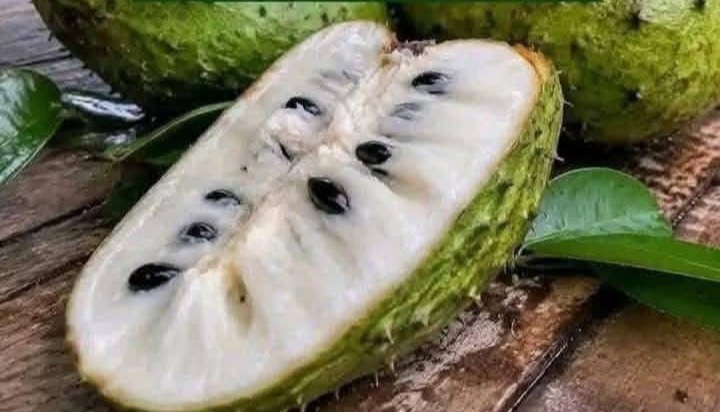
The fruit in your photo is soursop, also known as graviola, guanabana, or corossol. It is a large green fruit with soft spines, creamy white pulp, and shiny black seeds. Inside, the flesh is juicy, aromatic, and sweet with a tangy note, often described as a mix of strawberry and pineapple with citrus.
Soursop is popular in tropical regions for fresh eating, juices, smoothies, and desserts. While it is nutritious and refreshing, it is important to enjoy it as a fruit within a balanced diet, not as a treatment for any disease.
This article explains what soursop is, its nutrition, how to select and eat it, a simple recipe, and safety tips.
This information is educational only and is not medical advice.
What Is Soursop
Soursop comes from Annona muricata, a tree native to tropical regions of the Americas and now grown in Africa, Southeast Asia, and the Caribbean. The whole fruit can weigh 1 to 3 kg. The white pulp is fibrous and juicy, with black seeds that should be removed before eating.
In Morocco, you may find it in larger markets or specialty fruit shops as an imported fruit.
Nutrition at a Glance
Soursop pulp provides:
Water and natural sugars: For hydration and quick energy
Fiber: About 3 to 4 grams per cup of pulp, which supports digestive regularity when combined with adequate water
Vitamin C: An antioxidant that supports immune function and skin health as part of overall diet
Potassium and magnesium: Minerals that support muscle function and fluid balance
Small amounts of B vitamins and antioxidants from the Annonaceae family
It is naturally low in fat and moderate in calories, similar to other tropical fruits.
No single fruit can treat, cure, or prevent cancer, infections, or other serious conditions. Claims that soursop kills cancer cells come from lab studies on cells in dishes using concentrated extracts, which do not translate to eating the fruit. Rely on evidence based medical care for any serious condition.
How to Select, Ripen, and Store
Selection: Choose a fruit that is slightly soft when pressed gently, with intact skin that is not deeply bruised or oozing. A strong fermented smell means it is overripe.
Ripening: If firm, keep at room temperature for 1 to 2 days until it yields slightly. Then refrigerate.
Storage: Once cut, store pulp in a clean container in the refrigerator and use within 24 to 48 hours. You can freeze pulp without seeds in freezer bags for up to 2 months for smoothies.
Always wash the outside, use clean knives, and remove all black seeds before blending or eating. Seeds are not edible.
How to Eat Soursop
Fresh: Scoop pulp with a spoon, spit out or remove seeds.
Juice or smoothie: Blend seedless pulp with water or milk or plant milk, and a little lime juice. Strain if you prefer a smoother texture.
Dessert: Mix with other fruits like mango or banana.
Avoid eating seeds, and do not chew or blend them. Traditional uses of soursop leaves and seeds as teas or concentrated extracts are not recommended without medical guidance due to potential safety concerns.
Simple Recipe: Light Soursop Drink
Makes 2 servings.
Ingredients:
1 cup seedless soursop pulp
1 and 1/2 cups cold water or coconut water
1 tablespoon lime juice
Ice cubes
Optional: 1 to 2 teaspoons honey, only if needed
Method:
Step 1: Place seedless pulp and water in a blender. Blend 20 to 30 seconds until smooth.
Step 2: Taste, add lime juice, and a little honey if desired.
Step 3: Strain through a fine sieve for a smoother drink if you like.
Step 4: Serve immediately over ice in a clean glass.
Safety and Who Should Be Careful
Soursop fruit pulp in normal food amounts is generally safe for most healthy adults, but consider:
Seeds, leaves, bark, and supplements: These contain annonacin and other compounds that have been studied for potential nerve related effects with high or long term exposure. Do not consume seeds, and do not make concentrated teas or take graviola supplements without clinician guidance.
Blood sugar and blood pressure: Soursop contains natural sugars. If you have diabetes, account for carbohydrates. If you take medication for blood pressure, discuss regular large amounts with your doctor.
Pregnancy and breastfeeding: Limited safety data for large amounts or extracts. Stick to small food amounts only if you already tolerate it, and ask your clinician.
Kidney or liver disease: Avoid supplements and concentrated preparations. Use only small food amounts if approved by your doctor.
Parkinsonism concerns: Some research has raised questions about high intake of annonacin from frequent consumption of soursop and related fruits in certain populations. Moderation and avoiding seeds and leaves is prudent.
If you have persistent abdominal pain, fever, unexplained weight loss, or other concerning symptoms, seek medical evaluation rather than trying fruit based remedies.
Tips for a Balanced Fruit Habit
Enjoy soursop as one of many fruits in a varied diet:
Aim for a mix of colors and types of fruits and vegetables daily
Pair fruit with a source of protein or healthy fat, like yogurt or nuts, for more lasting satisfaction
Drink water throughout the day
Conclusion
Soursop is a flavorful tropical fruit with a creamy white interior and black seeds, as seen in your photo. It can be a refreshing addition to juices and smoothies when eaten seedless, ripe, and in moderation.
It is best appreciated for its taste and nutrition as part of an overall healthy eating pattern, not as a cure. Select ripe fruit, remove seeds, store safely in the cold, and enjoy it fresh.