Introduction
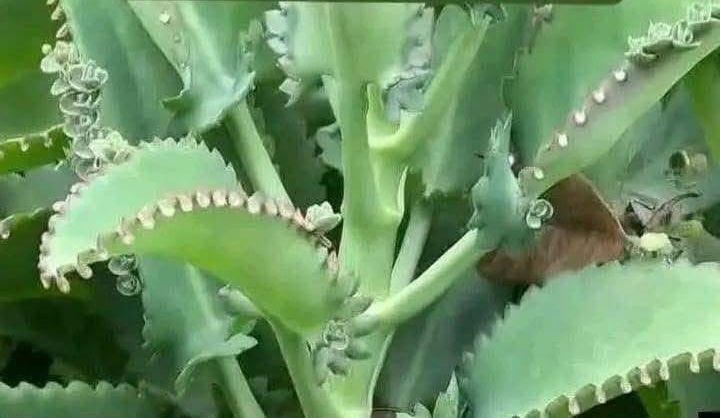
The plant in your photo is known as Mother of Thousands, scientific name Kalanchoe daigremontiana, also called Kalanchoe pinnata or Mother of Millions in some regions. It is easy to recognize by its thick, scalloped leaves with tiny plantlets growing along the edges, as you see in the image.
Online you may see posts claiming this leaf destroys cancer and doctors hide it. This is false and dangerous. No leaf can cure cancer, and delaying proper medical care to try plant recipes can cause serious harm. Cancer requires medical diagnosis and evidence based treatment.
This article explains what this plant really is, why it is grown, and why it should NOT be eaten as a home remedy.
This information is educational only and is not medical advice.
What Is Mother of Thousands
Mother of Thousands is a succulent from Madagascar that is now grown worldwide as an ornamental houseplant. It reproduces very quickly because each leaf edge produces many small clones that drop and root.
It contains compounds called bufadienolides, which are similar to compounds found in some heart medications. In plants, these compounds act as a natural defense against animals eating it.
Because of these compounds, the plant is considered toxic if ingested by humans, pets, and livestock. It is not a vegetable, tea, or edible herb.
Why It Is Not a Cancer Treatment
Claims that this leaf destroys cancer come from misinterpreted lab studies where highly concentrated extracts were tested on cells in a dish. Results in a dish do not mean the same effect happens in a human body, and they do not mean it is safe.
There is no clinical evidence that eating Kalanchoe leaves cures, treats, or prevents cancer in people. Relying on such recipes instead of medical care can lead to poisoning and to missing the window for effective treatment.
If you or someone you know has concerning symptoms such as unexplained weight loss, persistent pain, a new lump, changes in bowel habits, or abnormal bleeding, seek medical evaluation promptly.
Toxicity and Risks
Ingestion of Mother of Thousands can cause:
Nausea, vomiting, abdominal cramps, and diarrhea
Irregular heartbeat, because bufadienolides can affect heart muscle
In severe cases, heart rhythm disturbances that require emergency care
The plant is also known to be toxic to dogs, cats, and farm animals.
Handling the plant with bare hands can cause mild skin irritation in some people. Always wash hands after touching it and keep it away from children and pets.
Do not make tea, juice, smoothies, or extracts from this plant at home. There is no safe edible dose established for home use.
Safe Uses Only as an Ornamental Plant
If you like the look of the plant, you can grow it safely as decoration with precautions:
Keep in a pot out of reach of children and pets
Wear gloves when pruning or removing plantlets
Do not compost large amounts where animals might eat it
Dispose of extra plantlets in a sealed bag, as it can spread aggressively outdoors in warm climates
It is not for cooking, not for tea, and not for homemade remedies.
How to Support General Health the Evidence Based Way
If your goal is to support wellness alongside medical care:
Eat a varied diet rich in vegetables, fruits, whole grains, legumes, and healthy fats like olive oil
Stay hydrated, move regularly, and get adequate sleep
Do not smoke, limit alcohol
Follow recommended cancer screening for your age and family history
Discuss any herbs or supplements with your doctor, as many can interact with medications
Conclusion
The plant in your photo, Mother of Thousands with plantlets along its leaf edges, is a striking succulent that is popular as an ornamental plant. It is not a secret cure that doctors hide. It contains compounds that make it toxic if eaten and it should not be used in any OK recipe for cancer.
Enjoy it only as a decorative plant kept safely away from children and animals, and rely on professional medical care for any serious health concern. If you believe someone has eaten this plant, contact a poison control center or seek emergency medical help immediately.