Introduction
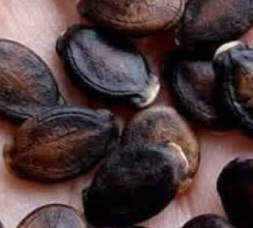
The seeds in your photo are watermelon seeds, the small black seeds found inside a ripe watermelon. Many people throw them away, but they are actually edible and have been eaten as a snack in many cultures after roasting.
Online you may see posts claiming that watermelon seeds eliminate cancer cells or prevent blindness. No food can do that. Cancer and vision loss are complex conditions that require medical diagnosis and evidence based treatment. No seed, tea, or home recipe can replace that care.
What watermelon seeds can offer is nutrition when eaten as part of a balanced diet. This article explains their real nutrition value, how to prepare them safely, and how to include them in everyday meals.
This information is educational only and is not medical advice.
What Are Watermelon Seeds
Inside each seed there is a kernel that contains healthy fats, protein, and minerals. When eaten whole and raw, many seeds pass through the digestive tract without being fully digested. Roasting and lightly crushing or chewing them helps your body access their nutrients.
Nutrition at a Glance
About 1 tablespoon of dried watermelon seeds, roughly 10 grams, provides approximately:
Healthy fats: Mostly unsaturated fats similar to those found in other seeds
Protein: About 3 grams, which contributes to daily protein needs
Magnesium: Important for muscle function and bone health
Iron, zinc, and folate: Small but useful amounts that contribute to overall mineral intake
Fiber: Some fiber when eaten with the outer shell
They are relatively high in calories for their size because they contain fat, so a small handful is a sensible portion.
They do not contain any compound that kills all cancer cells in the body, and they do not prevent blindness. Good nutrition supports general health, but it does not cure cancer or eye disease on its own.
How to Prepare Roasted Watermelon Seeds
Roasted watermelon seeds are crunchy and can be used like pumpkin seeds.
Ingredients:
1/2 cup watermelon seeds, rinsed and patted dry
1 teaspoon olive oil
Pinch of sea salt, plus optional spices like cumin, paprika, or dried herbs
Method:
Step 1: Clean and dry. Rinse seeds to remove fruit pulp. Spread on a clean towel and let them air dry for 30 to 60 minutes. The drier they are, the crisper they will roast.
Step 2: Season. Toss with olive oil and salt. Add spices only if you like.
Step 3: Roast. Spread in a single layer on a baking sheet. Roast at 160°C, about 320°F, for 15 to 20 minutes, shaking the pan halfway, until lightly golden and crisp.
Step 4: Cool and store. Let cool completely. Store in a clean airtight jar at room temperature for up to 1 week.
You can also sprout and then dry them before roasting for a slightly softer texture.
How to Enjoy Them
Sprinkle 1 tablespoon over yogurt, salads, oatmeal, or soups
Eat a small handful, about 10 to 15 grams, as a snack
Blend a spoonful into smoothies
Use as a topping for homemade granola or energy bars
Keep portions small, especially if you have digestive sensitivity to high fiber seeds.
Safety and Who Should Be Careful
Watermelon seeds in food amounts are safe for most healthy adults, but note:
Choking hazard: Whole hard seeds can be a choking hazard for young children. For children, use finely ground or well roasted and crushed seeds only if age appropriate and supervised.
Digestive comfort: Large amounts at once can cause bloating. Start with 1 tablespoon.
Allergies: Seed allergies exist. If you have known seed or nut allergies, be cautious.
Kidney disease, pregnancy, or chronic conditions: If you need to limit phosphorus, potassium, or fat, ask your clinician about portion sizes.
Do not replace treatment: Do not use watermelon seeds, seed tea, or any home recipe to treat cancer, eye disease, diabetes, or other serious conditions. Delaying proper care can be harmful.
If you have concerning symptoms such as unexplained weight loss, changes in vision, persistent pain, blood in urine or stool, or a new lump, seek medical evaluation promptly.
Supporting Eye and Overall Health the Evidence Based Way
For general eye health and overall wellness:
Eat a varied diet rich in vegetables, fruits, whole grains, legumes, and healthy fats
Include sources of lutein and zeaxanthin like leafy greens, and vitamin A rich foods like carrots
Protect eyes from strong sun with sunglasses, take regular screen breaks, and get regular eye exams
Avoid smoking, maintain healthy blood pressure and blood sugar, and stay hydrated
These habits help more than any single seed or recipe.
Conclusion
The black seeds in your photo are watermelon seeds, a crunchy, nutritious snack when rinsed, dried, and roasted with a little olive oil and salt. They provide healthy fats, protein, magnesium, and some fiber.
They are not a cure for cancer and do not prevent blindness. Enjoy them in small portions as part of a balanced diet, store them safely, and rely on professional medical care for serious health concerns.