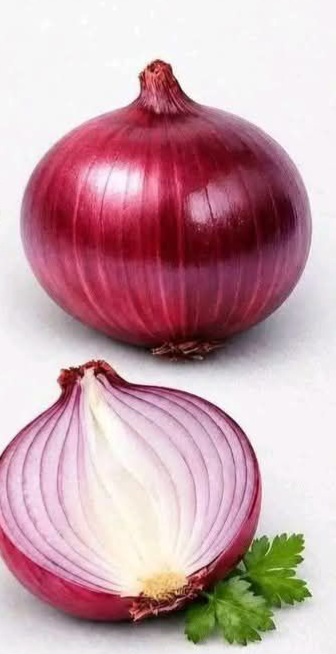
Red onions are more than just a flavorful ingredient. Their deep purple-red color comes from naturally occurring plant compounds called anthocyanins, while onions also contain sulfur-containing compounds and other phytochemicals that have attracted scientific interest.For centuries, onions have been used in cooking and traditional food practices around the world. Today, researchers continue to study how regular onion consumption may relate to heart health, blood sugar, inflammation, and overall nutrition.However, it is important to separate the nutritional benefits of red onions from exaggerated claims that suggest eating onions can cure infections or replace medical treatment.1. Rich in Protective Plant CompoundsRed onions contain several naturally occurring compounds, including flavonoids and anthocyanins.These compounds contribute to the onion’s characteristic color and may have antioxidant activity. Antioxidants help protect cells from oxidative stress.Eating a variety of colorful vegetables is a practical way to obtain different plant compounds as part of a balanced diet.2. May Support Heart HealthOnions contain compounds that are being studied for their possible relationship with cardiovascular health.Eating vegetables regularly is generally associated with a healthier dietary pattern, and onions can easily be included in meals without adding many calories.Red onions can be eaten raw in salads, sandwiches, or sauces, or cooked with vegetables, meat, fish, beans, and grains.However, eating red onions should be viewed as part of an overall heart-healthy lifestyle rather than a treatment for heart disease.3. Blood Pressure and Blood SugarSome research has investigated onion compounds in relation to blood pressure and glucose metabolism.However, eating onions does not mean that someone with hypertension or diabetes can stop taking prescribed medication.Blood pressure and blood sugar are influenced by many factors, including genetics, body weight, physical activity, sleep, diet, and medications.If you have high blood pressure or diabetes, continue monitoring your condition and follow your healthcare professional’s recommendations.4. May Help Support a Healthy DietOne of the simplest advantages of red onions is that they make healthy foods more enjoyable.Their strong flavor can add taste to salads, vegetables, beans, lentils, eggs, fish, and whole grains without requiring large amounts of high-calorie sauces.This makes onions a useful ingredient for people trying to build a nutritious eating pattern.5. What About Infections and Bacteria?Onions contain sulfur compounds and other substances that have demonstrated antimicrobial activity in laboratory research.This is interesting scientifically, but it does not mean that eating raw onion can cure a bacterial infection.A laboratory effect is not the same as a proven treatment in humans.If you have a suspected bacterial infection, appropriate medical diagnosis and treatment are important.6. Can Red Onion Relieve a Cough or Flu?Onion-based home remedies are common in many cultures, and some people use onions with honey or other ingredients when they have a cough.A warm drink or honey may provide temporary soothing effects for some coughs, but there is not strong evidence that red onion itself cures influenza or other viral infections.Most uncomplicated colds and flu-like illnesses improve with time, rest, fluids, and appropriate symptom management.Seek medical advice if symptoms are severe, persistent, or unusual.7. Supporting Overall NutritionOnions provide small amounts of several vitamins and minerals while adding flavor and plant compounds to meals.Their greatest nutritional value comes from consuming them as part of a varied diet rather than relying on onion juice or concentrated preparations.A healthy eating pattern should include a wide range of vegetables, fruits, whole grains, legumes, nuts, seeds, and appropriate protein sources.8. Raw or Cooked: Which Is Better?Both raw and cooked onions can be part of a healthy diet.Raw red onions have a particularly strong flavor and can be used in salads, sandwiches, wraps, and fresh salsas.Cooking changes the flavor and texture and can reduce some heat-sensitive compounds, but cooked onions remain nutritious.The best choice is simply the form you enjoy and can regularly include in your meals.9. A Simple Way to Add More Red OnionTry adding sliced red onion to:- Tomato and cucumber salads- Bean or lentil salads- Omelets- Sandwiches and wraps- Grilled vegetables- Fish or chicken dishes- Homemade salsa- Soups and stewsYou can also lightly pickle red onions using vinegar, water, and a small amount of salt.10. Who Should Be Careful?Most people can eat onions safely as part of a normal diet.However, onions can cause digestive discomfort in some people. Individuals with sensitive digestion or certain gastrointestinal conditions may experience gas, bloating, or abdominal discomfort after eating them.If onions repeatedly cause significant symptoms, consider discussing this with a healthcare professional or registered dietitian.The Bottom LineRed onions are a flavorful and nutritious vegetable containing flavonoids, anthocyanins, sulfur compounds, and other plant chemicals.They can contribute to a healthy diet and may provide compounds associated with antioxidant and other biological activities. Research into their potential effects on cardiovascular health, blood sugar, and other areas is ongoing.But red onions should not be presented as a cure for infections, flu, diabetes, high blood pressure, or heart disease.The most useful way to think about red onions is simple: they are a nutrient-rich vegetable that can be part of a healthy eating pattern.Adding them regularly to salads, cooked dishes, sandwiches, and other meals is an easy way to increase your intake of vegetables and naturally occurring plant compounds.