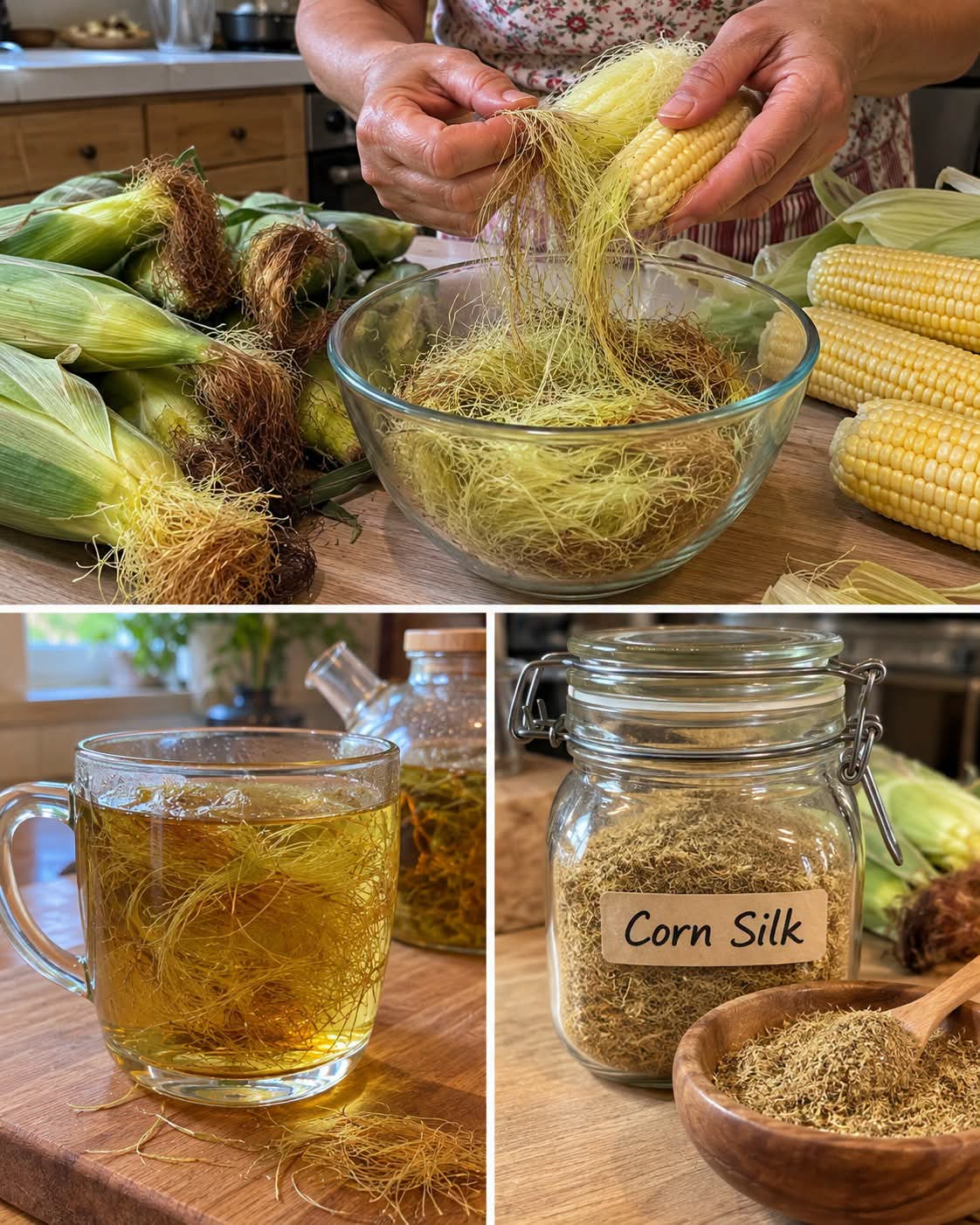
When preparing fresh corn, most people remove the long, silky threads underneath the husk and throw them away. These delicate strands are known as corn silk, and they have been used in traditional herbal practices for generations.Corn silk comes from the female flowers of the corn plant (Zea mays). Although it is not a replacement for medical treatment, corn silk has attracted interest because it contains naturally occurring plant compounds and has traditionally been prepared as a tea.In this article, we will look at what corn silk is, how it is traditionally used, what researchers have investigated, and how you can prepare a simple corn silk tea at home.What Is Corn Silk?Corn silk consists of the long, thread-like fibers that grow between the corn husk and the cob. They are usually pale green, yellow, or light brown when fresh and become darker as they dry.These threads contain various plant compounds, including flavonoids, phenolic compounds, minerals, and other naturally occurring substances.Traditionally, corn silk has been used in different cultures as an herbal infusion, particularly in preparations associated with urinary and digestive health.Modern research has investigated corn silk extracts in laboratory and animal studies, but evidence from high-quality human clinical trials remains limited.Traditional Uses of Corn SilkCorn silk tea has traditionally been consumed as a mild herbal beverage.One of its best-known traditional uses is related to urinary health. Herbal preparations made from corn silk have historically been used as a gentle diuretic, meaning they may increase urine production.This traditional use is one reason corn silk continues to appear in herbal teas and natural wellness products.However, increased urination does not mean that corn silk can “clean” or “detox” the kidneys. The kidneys already filter waste products from the blood naturally.Corn Silk and Urinary HealthSome preliminary research has investigated whether compounds found in corn silk may influence urinary function.Because corn silk may have mild diuretic properties, people have traditionally used it when they want to increase urine flow.However, urinary symptoms can have many causes. Burning while urinating, blood in the urine, fever, severe pain, or difficulty urinating may indicate a condition that requires medical attention.Corn silk tea should therefore not be used as a substitute for diagnosis or treatment of a urinary tract infection, kidney disease, or another medical condition.Antioxidant CompoundsCorn silk contains several compounds with antioxidant activity.Antioxidants are substances that can help protect cells from oxidative stress. Many fruits, vegetables, herbs, and other plant foods contain antioxidant compounds.Laboratory studies of corn silk extracts have identified various substances that may contribute to antioxidant activity.Nevertheless, laboratory findings do not automatically mean that drinking corn silk tea will prevent or treat a particular disease in humans.More research is needed to understand the effects of different amounts and preparations of corn silk in people.Corn Silk and Blood SugarAnother area of research involves blood glucose.Some experimental studies have investigated corn silk extracts and their possible effects on glucose metabolism. These findings have generated interest in corn silk as a potential subject for future research.But this does not mean that corn silk tea can treat diabetes.People with diabetes should not replace prescribed medication with herbal teas. Some herbal products may also interact with medications or potentially affect blood sugar.If you have diabetes and want to regularly consume corn silk preparations, discussing it with a healthcare professional is a sensible approach.How to Make Corn Silk TeaCorn silk tea is simple to prepare.Ingredients- A small handful of fresh corn silk, or approximately 1–2 teaspoons of dried corn silk- 1–2 cups of water- Lemon or honey, optionalInstructionsFirst, wash the fresh corn silk thoroughly to remove dirt and other impurities.Place the corn silk in a small saucepan with water.Bring the water to a gentle simmer and allow the mixture to steep for approximately 5–10 minutes.Remove it from the heat and strain the liquid.Allow the tea to cool slightly before drinking.If desired, you can add a small amount of lemon or honey for flavor.If using corn silk collected from fresh corn, make sure the corn has been properly grown and handled. Avoid plant material that may have been exposed to pesticides or other contaminants.Fresh vs. Dried Corn SilkBoth fresh and dried corn silk can be used for herbal infusions.Fresh corn silk has a softer texture and a mild plant-like aroma. Dried corn silk is more convenient to store and can be kept in an airtight container in a cool, dry place.If drying corn silk at home, spread it in a clean, dry area with good airflow and allow it to dry completely before storing it.Any material that develops mold, an unusual smell, or visible contamination should be discarded.Is Corn Silk Tea Safe?Corn silk consumed in ordinary food-like amounts is generally considered different from concentrated extracts or supplements.However, “natural” does not automatically mean that something is suitable for everyone.Because corn silk may influence fluid balance and urination, people taking diuretics, blood-pressure medication, or certain other medicines should be cautious about using concentrated corn silk products.People with kidney problems or other medical conditions should also speak with a healthcare professional before using herbal preparations regularly.Pregnant or breastfeeding individuals should seek professional advice before using corn silk medicinally because safety data are limited.What Corn Silk Cannot DoSocial-media posts sometimes describe corn silk as a powerful treatment for multiple diseases or as a way to completely detoxify the body.These claims should be approached carefully.There is currently not enough strong human evidence to say that corn silk tea can cure kidney disease, urinary infections, diabetes, high blood pressure, or other serious conditions.A herbal tea can be an enjoyable part of a healthy lifestyle, but it should not replace appropriate medical care.A Simple Way to Think About Corn SilkInstead of viewing corn silk as a miracle remedy, it is more reasonable to think of it as an interesting traditional plant preparation that researchers are still studying.Its naturally occurring compounds make it scientifically interesting, while its traditional use as an herbal infusion explains why it remains popular today.If you enjoy herbal teas and do not have a medical reason to avoid corn silk, a mild homemade infusion can be one way to make use of something that would otherwise be discarded.Final ThoughtsCorn silk is an often-overlooked part of the corn plant with a long history of traditional use.Research has identified various plant compounds in corn silk and has explored potential antioxidant, urinary, metabolic, and other biological effects. However, much of the available evidence comes from laboratory or animal research rather than large, high-quality human studies.Corn silk tea can be prepared simply by steeping clean fresh or dried corn silk in hot water. It can be enjoyed as an herbal beverage, but it should not be considered a guaranteed treatment or cure.As with any herbal product, moderation and common sense are important. If you have persistent urinary symptoms, abnormal blood sugar, kidney problems, or another health concern, seek appropriate medical advice rather than relying on herbal remedies alone.